


Buttons
Why Choose Us?
Wide Market
Our customers are mainly from Europe, America, Japan, Germany, Saudi Arabia and other countries, OEM ODM is very welcome.
Strong Production Capacity
It has set up elastic band workshop, webbing workshop, rope weaving workshop button workshop, manual department, sewing workshop, QC workshop, etc.
Rich Experience
Shenzhen Jianuo Fashion Co., LTD, Founded in 2010 and headquartered in Longgang, Shenzhen. Our company focuses on accessories for 12 years.
Wide Range of Applications
Focusing on the production of elastic band series, Rope series, lace series, button series, products are widely used in clothing, shoes and hats, luggage, toys, handicrafts and other industries.
What is Buttons?
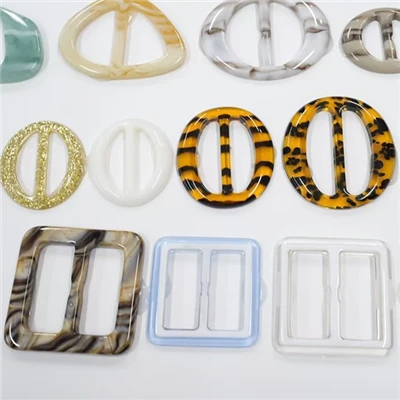
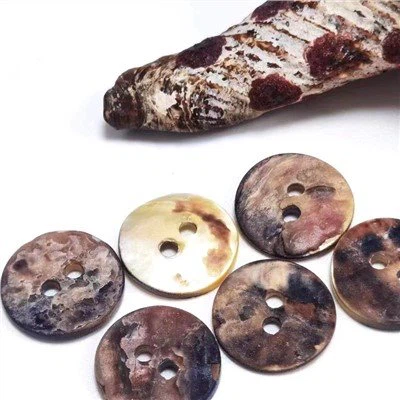
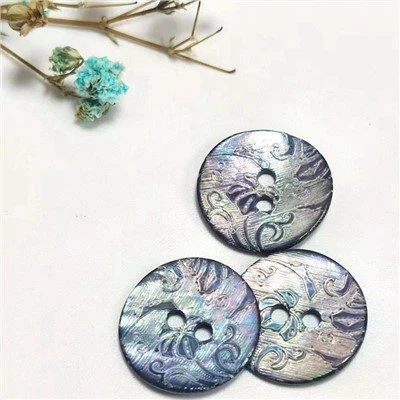
A button is a fastener that joins two pieces of fabric together by slipping through a loop or by sliding through a buttonhole. In modern clothing and fashion design, buttons are commonly made of plastic but also may be made of metal, wood, or seashell.





Advantages of Buttons
Easy to Use
Buttons are incredibly easy to use, making them a convenient fastening option for all types of clothing. Whether you’re in a rush to get dressed or just prefer a simple and quick method of fastening your clothes, buttons can be easily opened and closed with just a push or pull. This makes them an ideal choice for individuals with limited dexterity or mobility issues.
Versatile
Buttons can be found on a wide range of clothing items, from shirts and jackets to pants and even shoes. Their versatility makes them a great option for both casual and formal wear, and they can easily be incorporated into various styles and designs. Whether you’re looking for a classic button-up shirt or a trendy denim jacket, buttons offer a modern and stylish alternative to traditional fastenings.
Durable
One of the major benefits of buttons is their durability. Unlike traditional buttons, which can easily become loose or fall off with frequent use, buttons are designed to withstand wear and tear. They are less likely to break or come undone, making them a reliable and long-lasting fastening option for your clothing.
Aesthetically Pleasing
Buttons can add a stylish and fashionable touch to your wardrobe. They come in a variety of finishes and designs, allowing you to choose the perfect style to complement your clothing. From sleek and modern metallic finishes to classic and understated options, buttons can enhance the overall look of your outfits and add a subtle yet stylish detail.
Convenient for Alterations
If you’re someone who enjoys altering or customizing your clothing, buttons are a great choice. Unlike traditional buttons, which require needle and thread to attach, buttons can easily be added or removed without any sewing. This makes them a convenient option for DIY clothing projects and alterations, allowing you to personalize your wardrobe without the need for specialized tools or skills.
Types of Buttons


Flat button
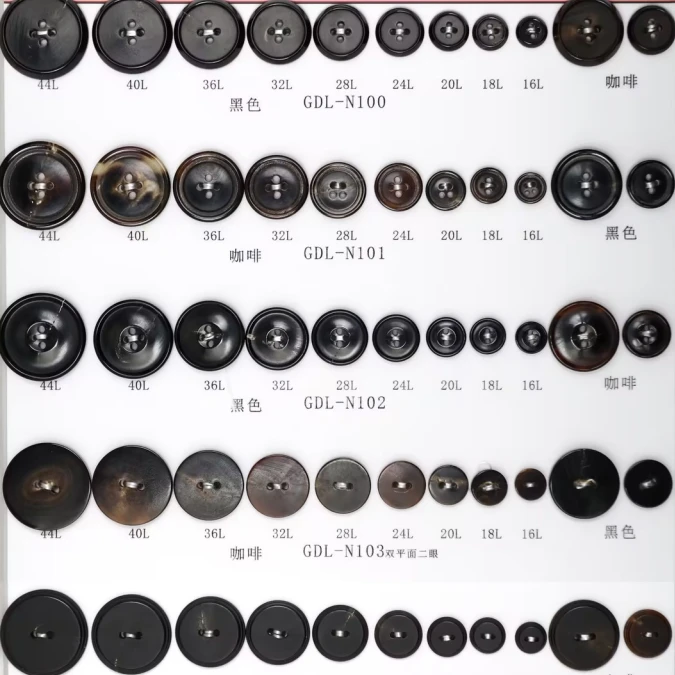
Flat buttons are the most common type of button, and they are very flat and have two or four holes in the center. They can be easily attached by hand or with a sewing machine.
Lapel button
A lapel button is also known as an enamel pin. It is a button or small pin that is worn on clothing, often attached to the lapel of a jacket or displayed on a piece of clothing.
Shank button
Shank is the mostly used among the types of buttons. A hollow protrusion behind the shank buttons helps to attach the button by sewing. Shanked buttons have no buttonholes because they are not needed for sewing.
Snaps button
Snaps usually have two parts and are spherical. One part of a garment is attached to the other to combine the two parts. These snaps are as strong and reliable as metals and the variety f colors can make any garment more attractive.
Stud button
Stud buttons are usually attached to jeans but are also used for other denim clothing, including jackets and skirts. The two parts of the stud button are connected to each other. These buttons are usually round.
Toggles button
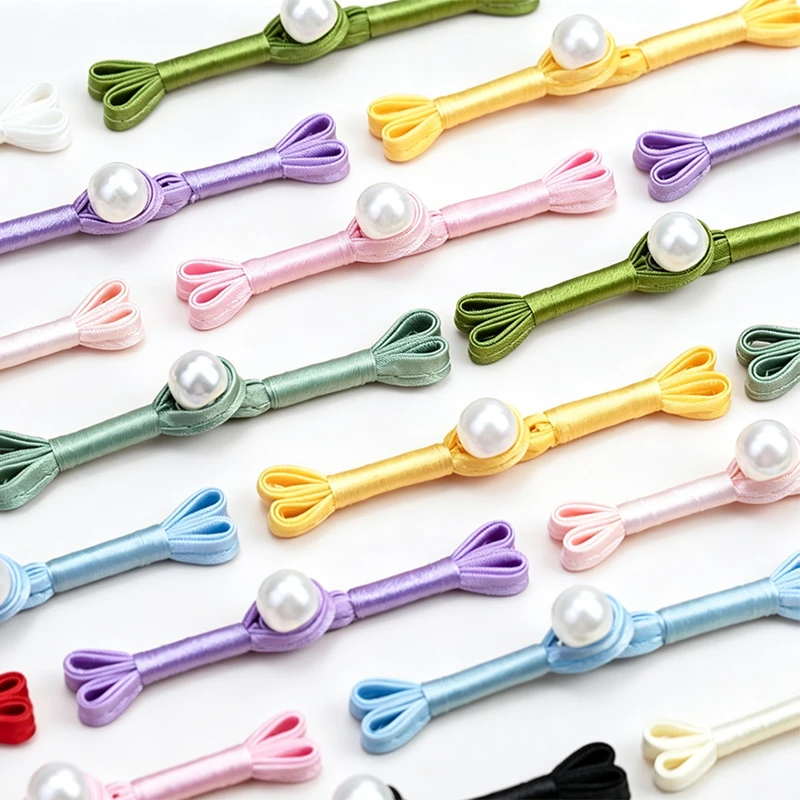
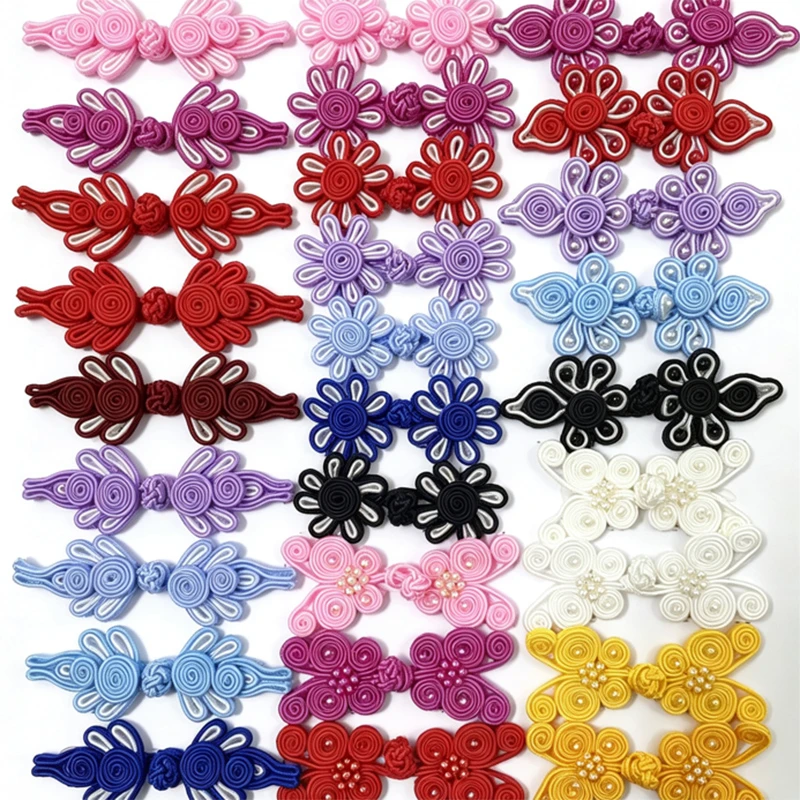
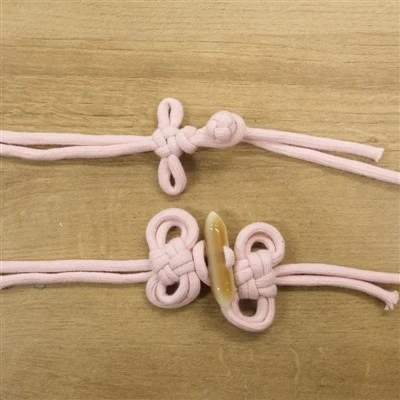
Toggles are usually long, and round, and are used in buttonholes. Toggles are used as statement pieces, so if you want attractive, eye-catching buttons for clothing, toggles are a great choice.
Fabric button
Fabric-covered buttons are called fabric buttons. Fabric buttons are used not only as upholstery but also in clothing nowadays. These buttons are made of acrylic or metal and are used to cover with fabric.
Glass button
The glass buttons offer stunning styles that you can use to change the design of your favorite outfits. These can even be added to accessories and home decor.
Leather button
Leather buttons add an elegant look to any outfit. These leathers may include mottled leather, woven leather, patent leather, top-sewn leather, suede leather, etc.
Metal button
Metal buttons are a very common type of button. Metal buttons are usually made of tin and stainless steel. You can also find buttons made of silver, brass, and many other metals.
Pearl button
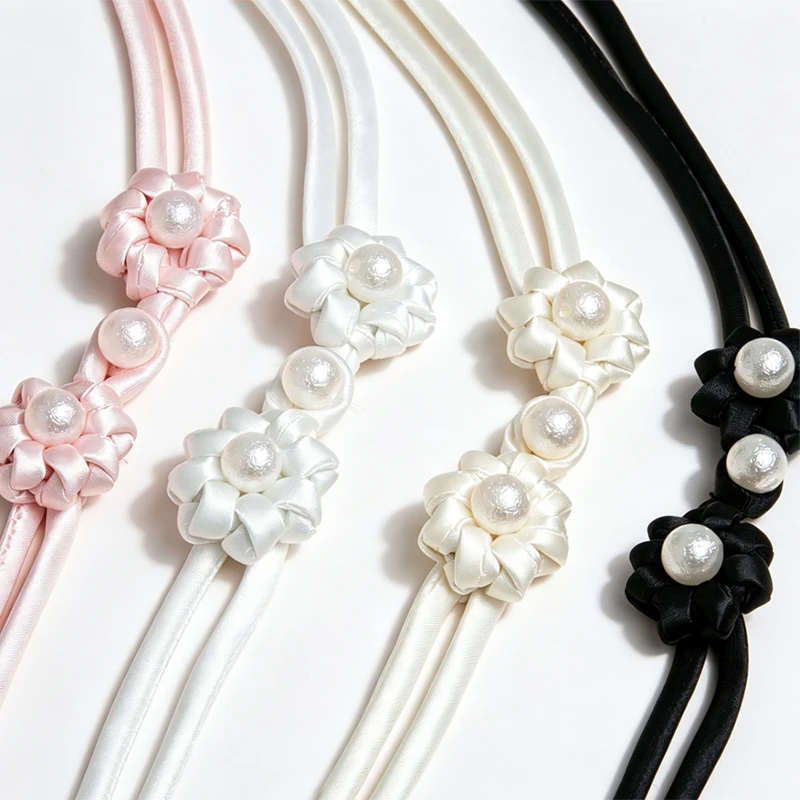
The use of pearl buttons in different outfits is very fancy. These buttons are quite powerful, and since they come in dozen of colors and not just white or off-white, you can find pearl buttons that are beautiful and perfect for your outfits.
Polyester button
Polyester buttons are one of the common buttons. Its material is a kind of plastic which makes it perfect for all kinds of buttons. Polyester is cheap, available, great to look at, and comes in a variety of colors.
Wooden button
The main component of wooden buttons is wood. It is popular for many reasons. They are also used in clothing and decoration. Because they come in different shapes and sizes, you can use them in a variety of industries and crafts.
Material of Buttons
Melamine
Melamine buttons have a seam around the outside of the button and occasionally some extra plastic or imperfections left from the molding process. But if you’re really not sure whether or not something is made of melamine, try and light it on fire. The real stuff won’t burn.
Horn
Horn buttons, being essentially bone, are quite strong. What sets them apart from their artificial cousins is the subtle nuance in color and texture on the surface of the button and around the outside edge. Most formalwear nerds prefer horn buttons on their suits.
Chalk/Polyester
Chalk buttons are, contrary to their name, useless for writing on black boards. They’re actually made from unsaturated polyester resins. They are cast in sheets and then turned and polished. But chalk/polyester buttons are not especially known for their strength.
Plastic
Plastic is a relatively new invention and if you’ve been paying attention, the vast majority of your buttons are probably plastic. There are many different kinds of plastic buttons and they became more and more common, especially after World War II, but Bakelite was one of the first and most sought-after by collectors.
Nut
Nut buttons is a rather broad category, but nut buttons are made from organic plant materials. Nut buttons, also referred to as vegetable ivory, are made from natural, porous materials that take dyes well and have a natural grain.
Metal
We end with the undeniable victor in the button-strength contest, metal. Metal buttons were most often used in military and workwear contexts where strength was most crucial. Especially for heavier materials, like denim, metal buttons are the best choice for their toughness.
Fabric Bookmark
Buttons can be used to create a unique and functional fabric bookmark. By attaching buttons to the ends of a fabric strip, you can easily secure the bookmark around the pages of your favorite book. This allows you to mark your place without worry of the bookmark falling out, making it perfect for travel or on-the-go reading.
Cable Organizer
Tired of dealing with tangled and unruly cables? buttons can be used to create a simple and effective cable organizer. By attaching buttons to the end of a small fabric strip, you can easily secure your cables and keep them neat and organized. This is a great way to prevent damage and extend the life of your electronic devices’ cables.
Curtain Tie-Backs
If you’re looking for a unique and stylish way to tie back your curtains, consider using buttons. By attaching buttons to the ends of decorative fabric strips, you can create custom tie-backs for your curtains. This allows you to easily adjust the length and look of your curtains while adding a touch of creativity to your home decor.
Keychain Holder
Buttons can be used to create a convenient and secure keychain holder. By attaching buttons to a fabric loop, you can easily snap your keys onto a bag, belt loop, or any other convenient location. This is a great way to keep your keys easily accessible while also preventing them from getting lost or misplaced.
DIY Baby Onesies
For parents and crafters, buttons can be used to create custom DIY baby onesies. By attaching buttons to the crotch area of a plain onesie, you can easily create a functional and stylish garment that allows for quick and easy diaper changes. This is a great way to personalize baby clothing and add a unique touch to your little one’s wardrobe.
Backpack Closure
Buttons can be used as an alternative closure method for backpacks and bags. By attaching buttons to the top flap and body of a backpack, you can create a secure and easy-to-use closure system that is more convenient than traditional zippers or buckles. This is a great option for those who want a quick and efficient way to access the contents of their bag.
DIY Seat Cushion
Buttons can be used to create a custom DIY seat cushion for chairs, car seats, or other seating areas. By attaching buttons to the edges of a fabric cover and a foam insert, you can create a removable and washable seat cushion that can easily be changed out or cleaned as needed. This is a great way to add comfort and versatility to your seating arrangements.
How to Repair and Replace Button Snaps on Clothing and Accessories
Remove the old button snaps
Using pliers, carefully pry off the old button snaps from the fabric. Be gentle to avoid damaging the garment or accessory. Once removed, make sure to clean any residue left behind by the old button snaps.
Prepare the fabric
Before installing the new button snaps, it’s important to reinforce the fabric where the old snaps were attached. You can do this by reinforcing the area with interfacing or a small patch of fabric on the backside of the garment or accessory. This will help prevent the new button snaps from tearing through the fabric.
Install the new button snaps
Place the male and female sides of the new button snaps on each side of the fabric, aligning them properly. Then, using the setting tool provided in the button snap kit and a hammer, firmly press down on the button snap to secure it in place. Repeat this process for the remaining snaps.
Test the button snaps
Once all the new button snaps are in place, test them to ensure they are securely attached and functioning properly. If the snaps are not closing or holding as they should, re-adjust or replace them as necessary.

When it comes to fastening clothing, buttons have been a staple for centuries. With the evolution of fashion and technology, different types of buttons have emerged, each with its own set of advantages and disadvantages. In recent years, snap buttons have gained popularity as an alternative to traditional buttons. But which is better? Let’s take a closer look at both options to find out.
Traditional buttons, which are typically made of plastic, metal, or other durable materials, are the classic choice for fastening clothing. They are versatile, come in a wide variety of shapes, sizes, and styles, and can be easily customized to match the garment they are adorning. Traditional buttons are also known for their durability and longevity, making them a reliable option for keeping clothes securely fastened.
On the other hand, snap buttons, also known as press studs or poppers, are a more modern alternative to traditional buttons. These buttons consist of two separate parts— a male and female component that can be easily snapped together to fasten garments. Snap buttons are often made of plastic or metal and are known for their quick and easy application. They are commonly found on clothing items such as jackets, shirts, and baby clothing.
So, which is better? The answer ultimately depends on the specific needs and preferences of the individual. Traditional buttons are a timeless choice that offers a classic look and reliable functionality. They are well-suited for tailored clothing such as dress shirts, blazers, and coats. On the other hand, snap buttons are a convenient option for garments that require frequent opening and closing, such as children’s clothing, sportswear, and outerwear.
In terms of ease of use, snap buttons are often favored for their quick and hassle-free application. They are particularly popular for children’s clothing, as they are easier for little ones to fasten and unfasten on their own. Traditional buttons, while they may require more effort to use, offer a classic and timeless aesthetic that many people appreciate.
Durability is another factor to consider when comparing snap buttons to traditional buttons. Traditional buttons are known for their strength and longevity, making them a reliable choice for garments that will be worn and washed frequently. Snap buttons, on the other hand, may be more prone to wear and tear over time, especially if they are frequently opened and closed.
How to Buttons
How to Clean Plastic Buttons
Usually, cleaning buttons made from plastic only requires a damp cloth and warm, soapy water, but if a more thorough clean is required, then apply a small amount of a citrus-based cleaner to a cotton swab or soft cloth and gently wipe across the surface of the button.
How to Clean Brass Buttons
Cleaning brass buttons is significantly more challenging than cleaning plastic buttons. The best way to clean brass buttons is to apply vinegar with a cotton bud and gently wipe away the dirt. If this doesn’t do the job, then consider using a commercial jewellery polish on a soft cotton polishing cloth. If following the latter option, be sure to wipe away any residue in cracks in the button with a clean toothbrush, as, if this is left, it will penetrate and break the button.
How to Clean Mother of Pearl Buttons
Mother of pearl buttons can be beautiful and delicate, and they definitely need to be treated carefully when cleaning – one wrong move, and you can easily lose that beautiful lustre. The best method for cleaning these delicate creatures is to rub them gently with a soft cloth – if this doesn’t remove the dirt, then try using an old toothbrush with a weak solution of water and dish soap. Don’t soak these buttons or scrub them too hard – this might remove the shine.
How to Clean Zippers
The biggest problem with zippers is their tendency to get stuck, a state of affairs that can easily be avoided by giving your zippers a regular clean. If, however, you already have a stuck zipper, then don’t worry – this can also be fixed. Simply brush white vinegar down the back and front of the zipper – the acid in the vinegar should dislodge whatever minor morsels of dirt were blocking your zipper.
Our Certifications

Our Factory
Shenzhen Jianuo Fashion Co., LTD, Founded in 2010 and headquartered in Longgang, Shenzhen. Our company focuses on accessories for 12 years,we are professional, excellent quality, timely service,Welcome more development, happy cooperation.Our factory covers an area of more than 10,000 square meters. It has set up elastic band workshop, webbing workshop, rope weaving workshop button workshop, manual department, sewing workshop, QC workshop, etc.

Ultimate FAQ Guide to Buttons
